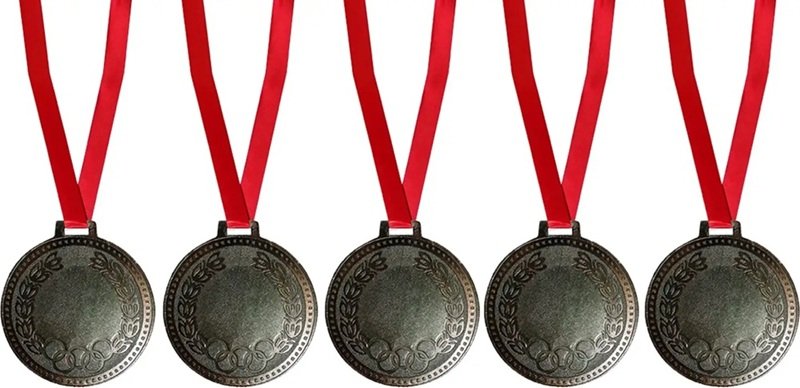
Football has always been more than just a game. It’s passion, dedication, late-night practices, and those unforgettable moments when a team comes together to achieve something truly special. And when those moments happen, nothing captures them quite like a well-crafted medal. Whether you’re a player who’s earned one, a coach who’s handed them out, or a collector who appreciates the artistry behind them, commemorative football medals hold a unique place in the world of sports memorabilia.
This guide walks you through everything you need to know about collecting and appreciating these timeless pieces.
What Makes a Football Medal “Commemorative”?
Not every medal is created equal. A standard participation medal and a true commemorative piece are two very different things. Commemorative football medals are designed specifically to mark a significant event, a season, a tournament, or a milestone achievement. They carry a story.
Think about the difference between a generic “2nd place” disc and a medal engraved with the full team name, the tournament date, and the final score. One is an award — the other is a memory you can hold in your hand.
What typically sets commemorative pieces apart:
- Personalized engraving — team names, player names, dates, and event details
- Higher-quality materials — zinc alloy, brass, or even sterling silver
- Custom artwork — unique designs that reflect the competition or club
- Limited production — often made in small batches for a specific event
These details are what transform a medal into something a player might keep for decades.
A Brief History of Football Medals
The tradition of awarding medals in sport goes back centuries, but football-specific commemorative medals really took off in the early 20th century as the sport grew into a global phenomenon. Local leagues started commissioning custom pieces to celebrate their champions, and international tournaments followed suit.
One of the most iconic examples is the FIFA World Cup medal — a piece so revered that replicas and vintage originals regularly sell at auction for significant sums. But you don’t have to look at that level to find fascinating history. Amateur league medals from the 1940s and 1950s, often made with real gold or silver plating, are increasingly sought after by collectors who appreciate their craftsmanship and the stories behind them.
What to Look for When Collecting
If you’re just getting started with collecting commemorative football medals, there are a few things worth keeping in mind before you spend your money.
1. Material and Finish
Older medals were often made with genuine precious metals. Modern ones typically use high-grade alloys with gold, silver, or bronze plating. For collecting purposes, older genuine-metal pieces tend to hold more value — but contemporary custom medals can also be meaningful if they’re tied to significant events.
2. Provenance
Can you trace where the medal came from? Medals with documented history — a record of which team earned it, which season, which match — are far more valuable than anonymous pieces with no background. Even a simple handwritten note kept with a medal can dramatically increase its interest and value.
3. Condition
Like any collectible, condition matters. Look for medals without deep scratches, significant tarnishing, or missing enamel. Original ribbons are a bonus, as these often deteriorate or get separated from the medal over time.
4. Rarity
Limited edition medals from historic tournaments, regional leagues that no longer exist, or one-off events are generally more interesting to collectors. The rarer the context, the more the piece stands out.
How Commemorative Medals Are Made Today
Modern medal production has become remarkably sophisticated. Companies specializing in custom awards can produce detailed, high-quality pieces that rival anything from the past. Die casting, enamel filling, laser engraving, and multi-tone plating all contribute to medals that look and feel premium.
The process usually starts with a design brief — the organizer provides logos, color schemes, and any text they want included. A proof is created, approved, and then the medals go into production. Turnaround times have shortened considerably, meaning even smaller local tournaments can now access quality commemorative pieces without massive budgets.
For collectors, this means the supply of meaningful medals is growing. Youth leagues, school championships, charity matches — all of these events are increasingly producing pieces worth keeping.
Displaying and Preserving Your Collection
Once you’ve started building a collection, you’ll want to think about how to protect and display it properly.
Storage tips:
- Keep medals in a dry, low-humidity environment. Moisture is the enemy of metal finishes.
- Use individual soft pouches or cases to prevent medals from scratching each other.
- Avoid displaying pieces in direct sunlight for extended periods, as UV exposure can fade ribbons and enamel.
Display options:
- Shadow boxes are a popular choice, especially for medals with personal significance.
- Ribbon boards allow you to hang multiple medals while keeping them visible and accessible.
- For particularly valuable or fragile pieces, archival-quality display cases offer better protection.
The Sentimental Value Beyond the Market
Here’s something any serious collector will tell you — the most interesting pieces aren’t always the most expensive ones. A small, slightly worn medal from a 1967 Sunday league final, still attached to its faded ribbon, can be far more compelling than a pristine modern replica.
That’s because commemorative football medals are, at their core, about human experience. They represent the hours of training, the nerves before a big match, the camaraderie of a squad pulling together. When you hold a piece like that, you’re holding a fragment of someone’s proudest moment.
Whether you’re building a serious collection or just starting to appreciate these pieces, that’s worth remembering.
Final Thoughts
Commemorative football medals occupy a fascinating space between sport, history, and art. They’re accessible enough for new collectors to get started without enormous budgets, yet varied enough that experienced collectors can spend years deepening their knowledge.
If you’re looking for quality commemorative football medals — whether for an event you’re organizing or to add to your personal collection — it’s worth exploring specialist providers who understand both the craftsmanship and the meaning behind these pieces. The right medal doesn’t just recognize a moment. It preserves it.
Interested in finding the perfect commemorative piece for your team or event? Visit Goalato for a range of custom football medals built to last.