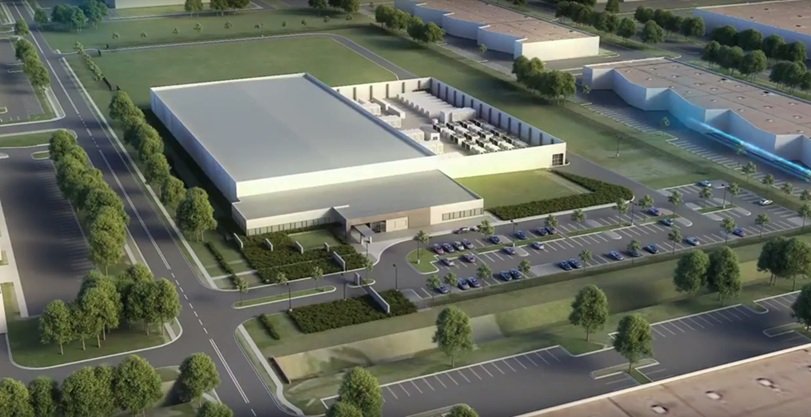
Modern digital infrastructure demands efficiency, resilience, and long-term scalability. Aligned Data Centers have emerged as a strategic answer that guarantees IT infrastructure, enterprise targets, and operational tactics work in harmony. These centres are not simply homes full of servers; they may be cause-pushed environments built to support evolving workloads, cloud integration, and sustainability desires while maintaining performance and reliability.
What Are Aligned Data Centers?
Aligned facts centers check with facilities where physical infrastructure, energy structures, cooling layout, community architecture, and commercial enterprise necessities are carefully synchronised. This alignment ensures that sources are used optimally, downtime is minimised, and growth may be supported without major redesigns.
Unlike traditional records facilities, alignment specializes in matching capability with demand, avoiding overprovisioning, and making sure that technology decisions guide organizational method.
Core Principles of Modern Data Center Alignment
Infrastructure and Business Strategy Synchronisation
A key function of aligned statistics centres is the tight integration between IT infrastructure planning and business dreams. Capacity planning, redundancy tiers, and deployment fashions are selected primarily based on real business needs rather than assumptions.
Energy Efficiency and Sustainability Design
Power utilisation effectiveness, airflow management, and cooling efficiency are crucial to alignment. Facilities are engineered to reduce waste, manipulate operational prices, and meet environmental objectives without compromising overall performance.
Operational Advantages of Aligned Infrastructure Models
Organisations adopting aligned statistics facilities experience advanced operational visibility, predictable overall performance, and less difficult control. Standardised layouts and modular designs simplify preservation and enhancements, even as they lower the threat of human error.
Alignment additionally improves catastrophe recovery readiness by ensuring redundancy techniques, healthy risk tolerance, and compliance requirements.
Scalability and Future-Proof Architecture
Modular Expansion and Capacity Planning
Scalability is a defining feature of aligned records facilities. Modular energy, cooling, and space designs permit facilities to expand incrementally, ensuring capital is invested simply when required.
Support for Cloud, Edge, and Hybrid Environments
These facilities are designed to assist hybrid IT fashions, aspect deployments, and excessive-density workloads. Network structure and latency issues are included in the bodily design from the start.
Security, Compliance, and Risk Management
In aligned statistics facilities, bodily protection, cybersecurity controls, and compliance frameworks are deliberate together. This unified method reduces gaps between coverage and implementation, enhancing audit readiness and average threat posture.
Alignment ensures that regulatory requirements are addressed without excessive complexity or fee.
Conclusion
As virtual transformation quickens, infrastructure should evolve past conventional models. Aligned records centres provide a dependable, green, and scalable method that supports present-day workloads while controlling costs and risks. By aligning era, operations, and commercial enterprise approach, organisations can construct resilient facilities prepared for future needs.
Frequently Asked Questions
What makes aligned records centres distinct from conventional facilities?
Aligned information centres vary by integrating enterprise goals, infrastructure design, and operational methods into a unified approach, rather than treating them as separate components.
Are aligned centres appropriate for developing establishments?
Yes, alignment supports modular increase, making it best for organisations that expect changing workloads and evolving era requirements.
Do aligned records centres improve strength efficiency?
They are particularly designed to optimise energy and cooling usage, helping to reduce electricity consumption while maintaining performance.
Can aligned designs aid hybrid and cloud environments?
Yes, alignment guarantees that physical infrastructure supports cloud connectivity, side computing, and hybrid deployment fashions correctly.